That's insane. I remember a few months ago being amazed they could make a SVG of a stickman.
I'd love to see if it works with other models too.
I'm curious how they arrived at this, e.g. did Gemini come up with the whole workflow on its own?
Edit: Found the author's x account. Lots of cool art experiments there along similar lines, including animated ones!
---
Edit: Gave it a try myself!
Gemini 4 Hydrogen (high, 119kb): https://files.catbox.moe/jygbpb.jpg
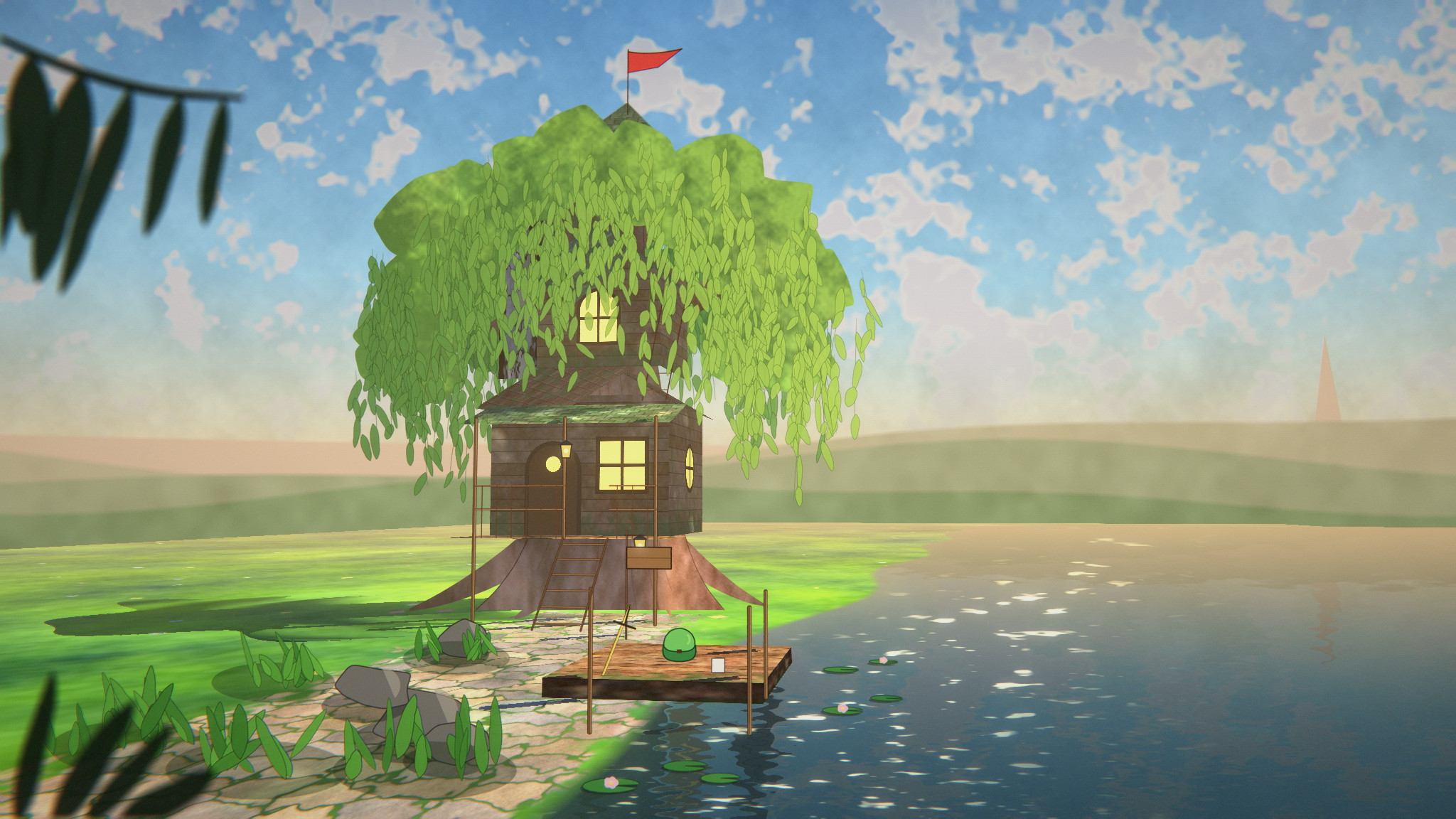
That one used up all my free agy usage for the week.
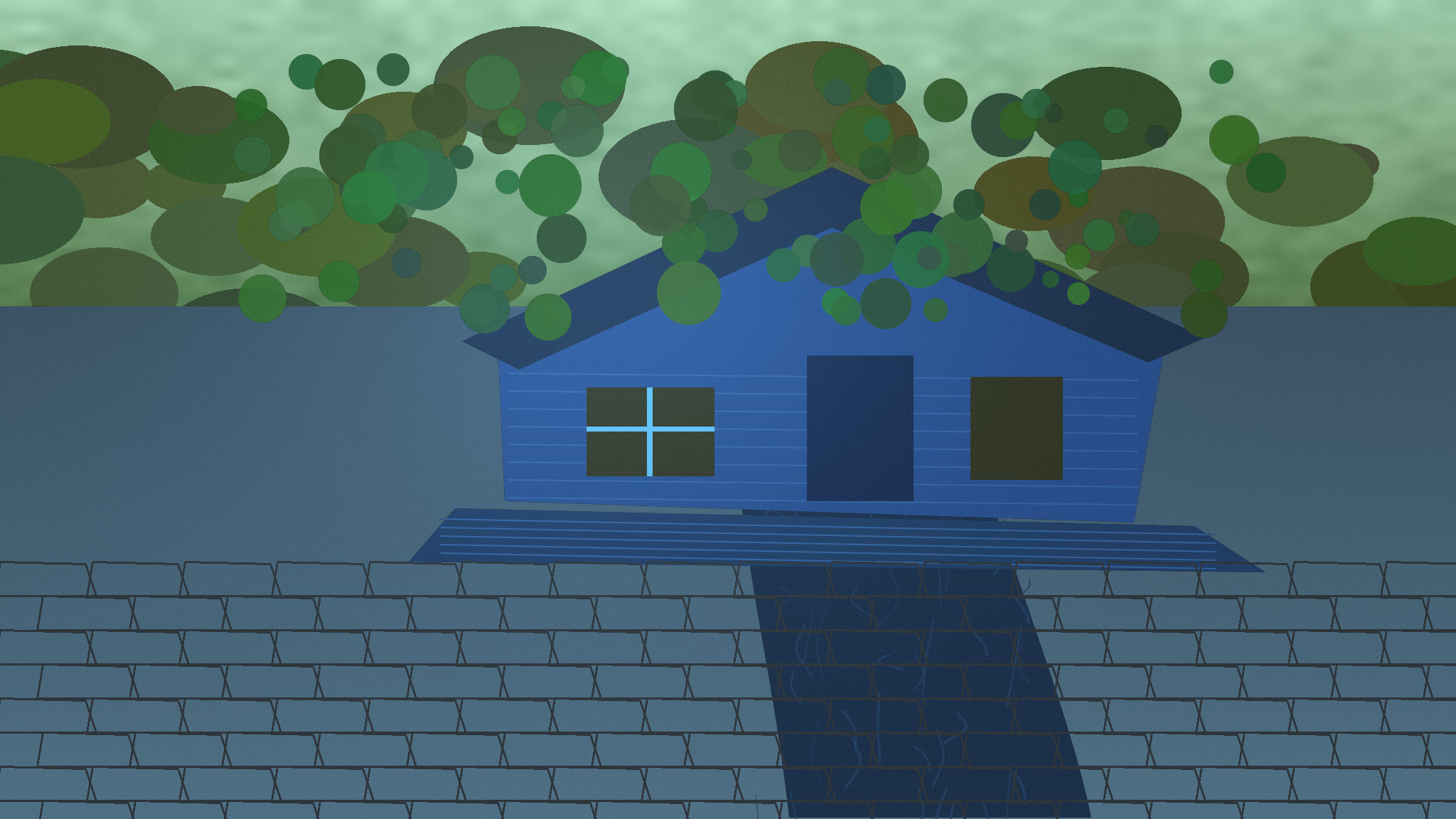
GPT-6-Luna (medium, 5kb): https://files.catbox.moe/uwytgw.jpg
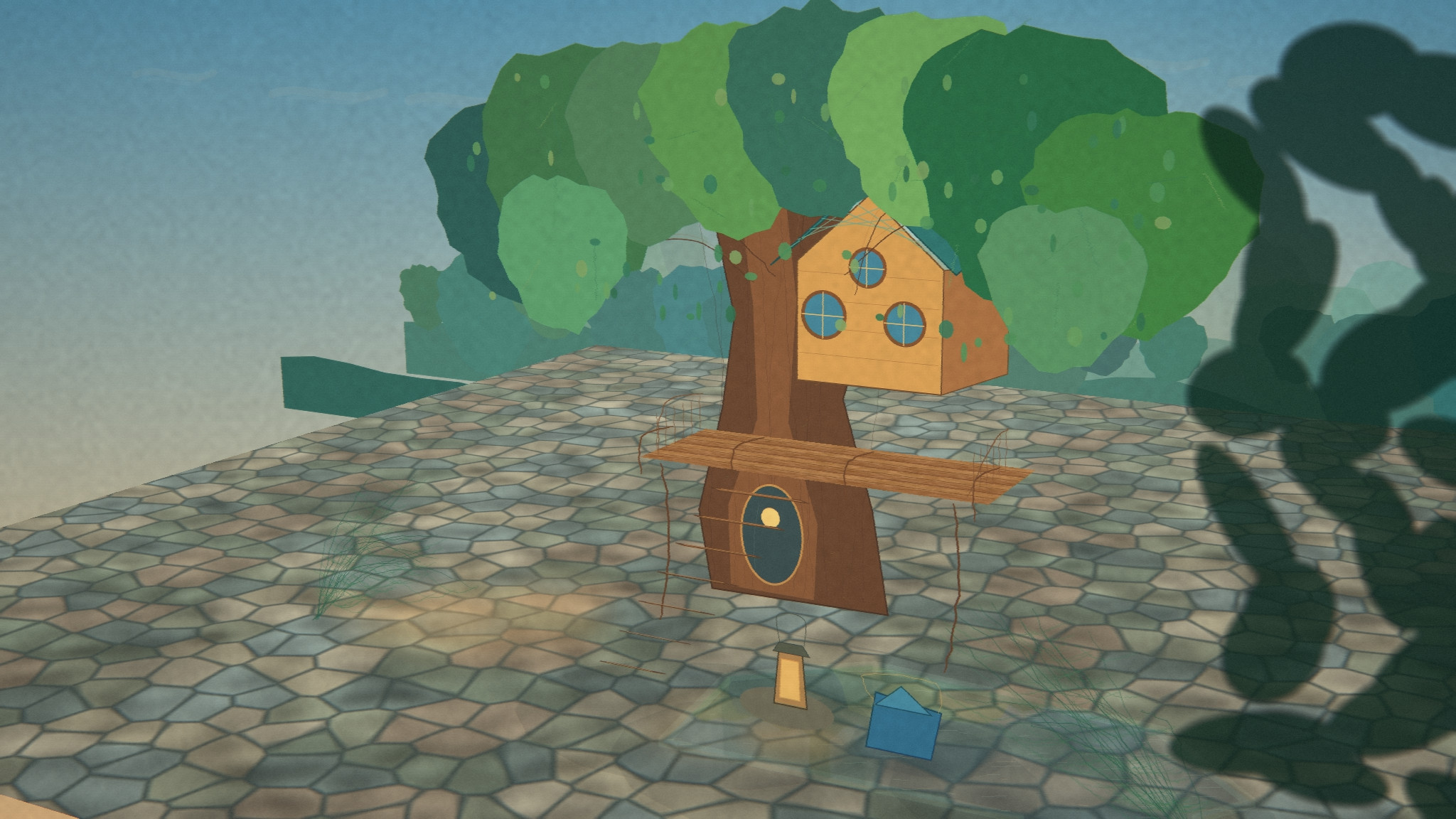
GPT-6-Luna (extrahigh, 32kb): https://files.catbox.moe/ji6ngy.jpg
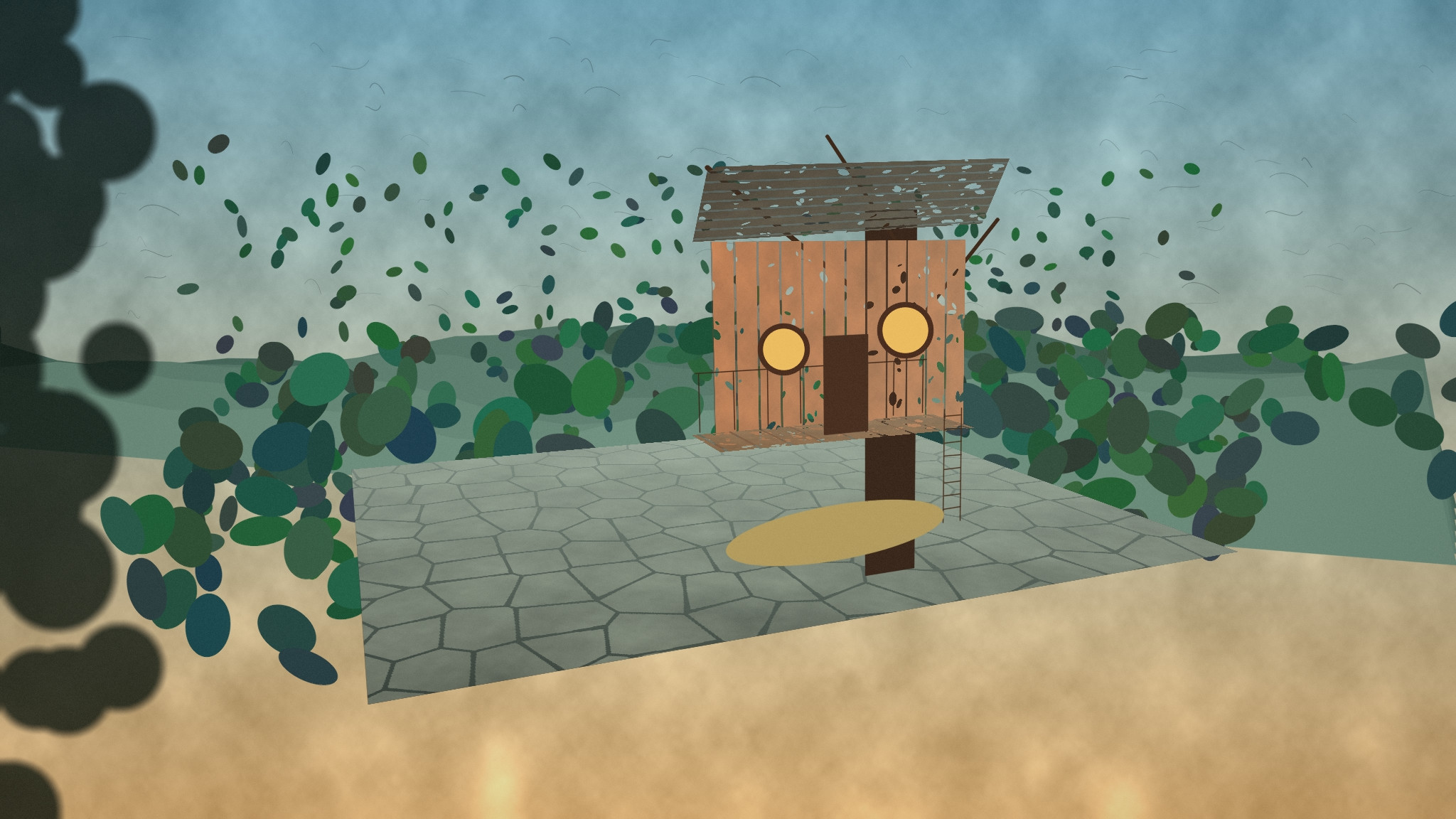
GPT-5.6-Terra (medium, 10kb): https://files.catbox.moe/159eus.jpg
Can anyone try with Claude, or newer/bigger GPT models?
Yes, there have been many attempts at doing this [1] - saw a recent one where it modeled physical brushes to simulate impressionism.
In my testing, while the results can come out okay, one of the biggest issues is that unlike a more conventional generative model, LLMs can take half an hour to an hour just to generate a single image and as you said absolutely destroy your token usage.
[1] - https://github.com/cloveric/claude-drawing-skill
It does give you a Python file you can run for free to generate more art. Here's the code for the treehouse (Gemini 4 Hydrogen):
https://pastebin.com/be0ga75B
> Stage 2 — Unified 3D Sun Visibility Solver (6-step Height Refinement) & Water
lol
I'm kind of mind blown by what it's doing here, I wonder what they trained this on.
Although, it generates approximately the same thing every time though. I'm gonna see what happens if I vary the seed.
Edit: Yeah, the seed controls details (grass, reflections, etc.)
Yeah, I think you're right. I've only glanced at it but I imagine you'll get pretty much the same thing if you rerun it. It might come out a little different depending on how much RNG is involved in the python itself, but it'll probably be mostly the same.
In response to what you said earlier aka will the resulting output change drastically based on the model?
In my experience, big time. I recently built something similar: a custom drawing language [1] designed to be piloted by LLMs to create scenes in the style of old-school EGA DOS adventure games, with a restricted palette and everything else. It's much faster than this since its obviously a much more constrained domain, but the smaller the model you use, the rougher the images come out.
Comparisons of a EGA steam locomotive using Deepseek, Kimi, Neon, and Qwen 3. [2]
[1] - https://kq-styles.specr.net
[2] - https://imgpb.com/vTZqPpr
Wow that's cool! Fun to watch it get painted in.
Have you tried running them at different effort levels? I laughed really hard when I saw what Luna generated above[0], but I reran it at higher effort and it went from 2D to 3D. You probably hit diminishing returns at some point, but I probably ran Terra on too low effort as well.
In fact the main difference between the Gemini run (with objectively best result) and the others was that it spent way longer thinking about it. So for a fair comparison the "effort" would need to be normalized.
[0] Edited my comment with results from various models:
https://news.ycombinator.com/item?id=50673568
I kind of like the GPT-6 Luna extra high one!
https://files.catbox.moe/ji6ngy.jpg
Visually yeah it's kind of a mess but it gives it off that sort of Paper Mario 3D vibe, with a 3D plane and the 2d paper-cutout tree house. I kind of dig it.
I haven't actually tried experimenting different effort/reasoning levels yet, but I'm sure it would make a huge difference.
If I had some time, it would be super fun to go through every major open-weight model from the last three or four years that I could run locally, starting with llama and then working my way up to something like the recently released inkling 2 mini to see how they handle the PicScript.
> https://x.com/fofrAI
> Here's a pelican riding a bike, using fourier epicycles.
Facing right again!